top of page

Westbreeze Landscapes
Live Bold... Live Proud
Call us now on +61 402 281441
![IMG_3054[1].JPG](https://static.wixstatic.com/media/8efbd0_01322d2f64ca4d32bddc60a47cd2dbae~mv2.jpg/v1/crop/x_0,y_395,w_2978,h_2084/fill/w_279,h_195,al_c,q_80,usm_0.66_1.00_0.01,enc_avif,quality_auto/IMG_3054%5B1%5D_JPG.jpg)

Planting & grass


Fencing
Retaining walls
Paving
Decking
Anchor 1
Fencing
Before you choose your security fence it’s important to know that in Victoria there are strict rules and regulations. Firstly, you need to approach your neighbour and get his agreement on the fence position and cost. Secondly, you might need help to follow building regulations and developer guidelines if applicable.
Here are some legal tips that might help.
We do all types of fencing. There is a variety of material choices including numerous types of metal, timber and more.

Anchor 2
Retaining wall
The retaining wall is a structural element that holds soil. We use it as a landscape tool to tidy up your sloping garden and form multiple “usable” levels maximizing your garden functionality.
Retaining walls can be made of a wide variety of materials, including stones, rocks, concrete blocks, and treated timber, etc.
VBA (Victorian Building Authority) NO BUILDING PERMIT NEEDED for construction of a retaining less than 1m not associated with other building work or with protection of adjoining property.
THE MOST COMMON TYPES:
CONCRETE BLOCKS
To be used widely in big areas whereas they are capable of holding a large amount of soil depending on their structural design and reinforcement.
They are durable with a long life span.
Versaloc® is our recommended system for following reasons:
-
Solid and strong
-
Mortar free system
-
Various colours, look and texture
-
Complete system including end, corner and cap


Treated Timber Retaining Wall
Using Timber can achieve a wide range of looks that just aren’t quite possible with concrete. There are warmth and flexibility that comes from timber as a material due to the many different types of wood available. It’s easy to use, in narrow spaces to form the required level separation. The longest lifetime you can expect from timber retaining wall is about 25 years. (VBA)H6 treated timber to be used in retaining walls.
Kazmqn Timber® our main supplier


Anchor 3
Paving
Adding paving to outdoor spaces dramatically enhances the aesthetics of any outdoor space and increases its functionality. Top-quality pavement basically depends on
-
good finishing,
-
good preparation to the soil underneath like base type, thickness, and compaction.
-
Inclining slop, wherever needed to provide smooth movement and prevents any cracks or water ponds
THE MOST COMMON TYPES:
Tile Pavers
Concrete pavers are a very popular choice for paving. Available in a range of different sizes, colours and prices, they are the only way to achieve complete uniformity with your paving. Being man-made, most batches produced are identical when compared with a naturally mined product such as granite, bluestone, sandstone and travertine. Given the wide variety available on the market, you will be able to find a paver that matches your exact taste.
Concrete Paving
Concrete paving is the most common and reliable choice. There are various types of concrete Exposed aggregate, stamped, textured, colored or even plain. Joints play a huge role to prevent unregulated (random) crakes. Regularly used for driveways, pavement area around your house and swimming pools, as it gives a very modern contemporary look to your garden.
Old brick paving
Old red recycled brick paving brings a country cottage feel to your garden. This style of paving with its imperfections and variations in size, definitely make an impact. Suited more to older style houses, this type of paving is great for the environment and will never date. Recycled and reused from old demolished houses, using old red bricks is a great way to reduce your carbon footprint.


Anchor 4
Decking
Decking is becoming more and more popular all over the world! No matter if composite / WPC or natural wood. Outdoor decking is a classic feature that adds tremendous appeal to any outdoor design. It is an effective technique for adding value to a property, whilst boosting the visual effect. Hardwood decking although more expensive than softwood is highly durable, naturally resilient to rotting.
Always preparations play a crucial role for a successful long-life decking here are some points to be noted:
-
Using MGP10 for all decking skeleton (Joists, Rims, Bearers)
-
Good ventilation
-
Using decking Tape over joist
-
All accessories, nails, clips and screws must be for exterior use
TYPES OF DECKS:
Composite Decking
Composite decks have the look and feel of real wood with the added strength of composite materials. They're tough enough to resist mold, mildew, scratches, stains, and damage from termites and rot.
We are a business partner with the most prestigious decking in Melbourne (WoodEvo®)&(Perma Timber®) solid product. We can also work out with customers for cheaper hollowed products as well.
Natural Decking:
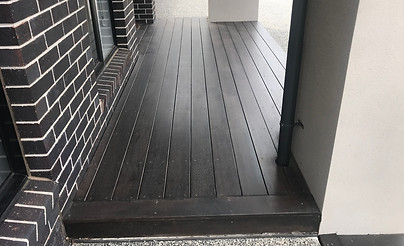
Merbau is the most commonly used timber for deck construction in Melbourne. Also known as ‘Kwila’ this durable hardwood is an introduced species from Asia and is today grown in Northern Queensland. Its colours vary from yellow-orange to a deep brown hue. Naturally resistant to termites. Merbau is a great choice for decking.
Spotted Gum is probably the next most common timber that decks are built from. Like Merbau, it is a hardwood which is very strong structurally. It is a great material to use for a deck, and its colour and grain are more appealing than Merbau




Anchor 5
Planting & Grass
Plants can make a huge difference in your landscape design. We have various lists of plants suitable for all purposes.
Plant selection based on:
-
The area and location
-
The theme and style
-
Maintenance required
GRASS
The grass is an important element of any garden. It covers the majority of the landscape and portrays a spacious feel to the area.
It’s usually used as a base for your landscape design. Whatever your choice grass is, the soil preparation underneath is the most important part of successful long term grass.
Synthetic Grass
Synthetic Grass is a priority choice for most clients because of its durability, low maintenance, waterless consumption and green complexion. It’s almost double the natural turf cost. However, it’s a cheaper option in the long-run.
There are many types of synthetic grass materials and installation instructions, depending on the purpose of use. For example:
-
Standard Landscape
-
Pet system
-
Golf & Putting
-
Playgrounds (kindergartens)
Some advantages choosing artificial grass:
-
Save time on care and maintenance
-
Reduce water bills
-
Safe play area for kids
-
Pet friendly
Natural Turf
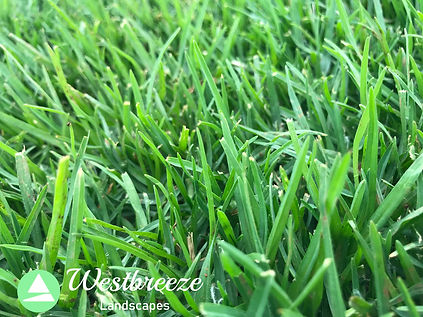
is a perfect choice for people who like to spend time gardening and enjoy the full natural backyard feeling. There are several types of natural grass either in the form of seeds or ready-lawn. The most common lawn types suites Melbourne's climate:
-
Buffalo turf (Sir Walter) - cost-effective to install and easy to look after in all seasons
-
Village Green Kikuyu
-
Palmetto Turf - great lawn with minimum fuss with low irritation on the skin
-
Grand Prix Couch
Every type has pros and cons depends on:
-
Poor sun light exposure
-
Durability (wear and tear resistance)
-
Natural resistant to weeds
-
Self-repair
-
Softness
-
Drought Tolerance
-
Cost
bottom of page